July 29, 2026
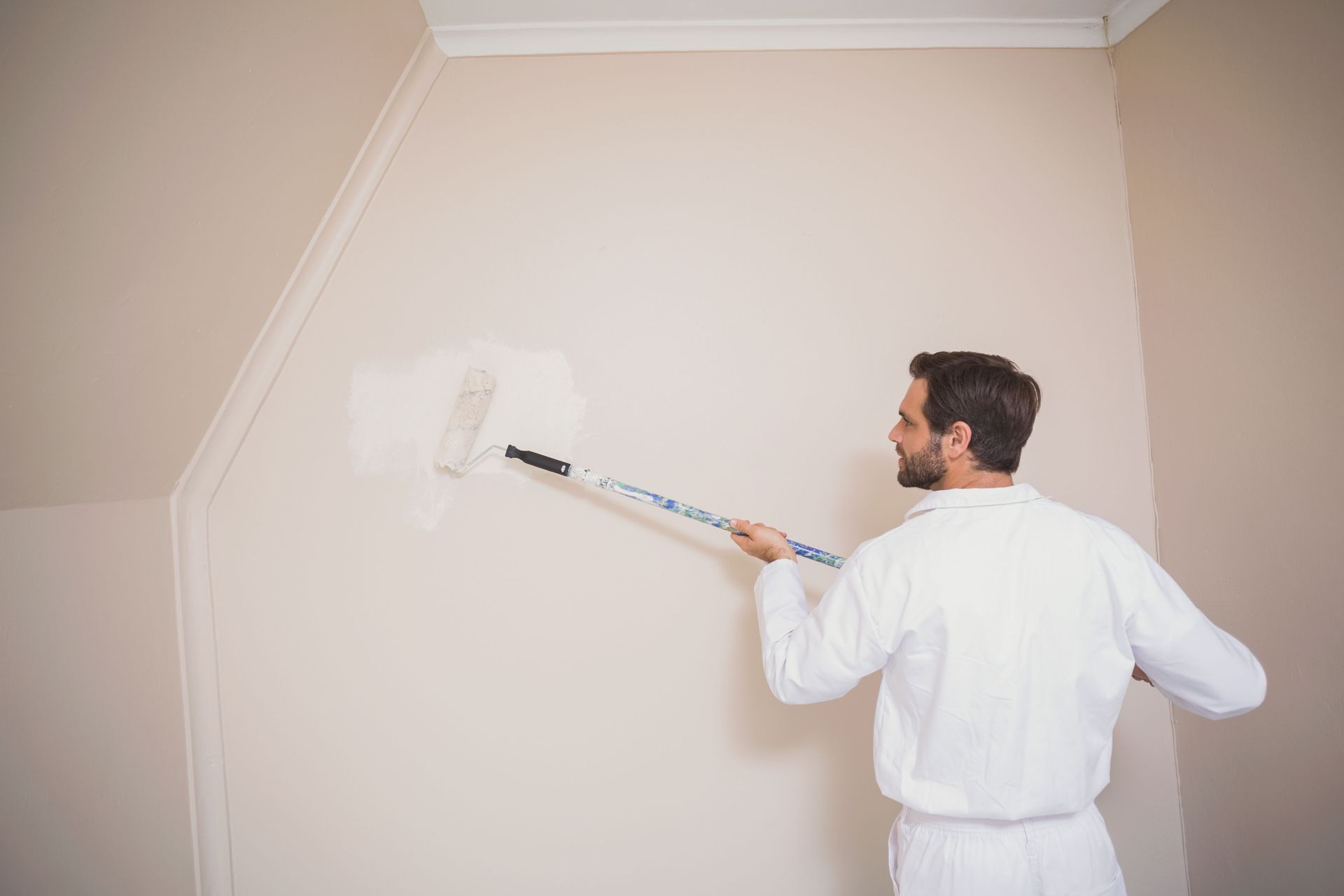
A fresh coat of paint can dramatically improve the appearance of your home, making it feel cleaner, brighter, and more inviting. Whether you are updating a single room or repainting your entire house, taking the time to prepare your space before the painters arrive helps the project stay on schedule and minimizes disruptions to your daily routine.
Working with experienced painting contractors is one of the best ways to achieve a professional finish, but homeowners also play an important role in the success of the project. Proper preparation creates a safer work environment, protects your belongings, and allows the crew to focus on delivering quality results instead of spending valuable time moving furniture or clearing obstacles. According to IBISWorld, the painting industry in the United States is expected to continue growing over the next five years as of 2026, reflecting the ongoing demand for professional painting services.
Here are the key steps you can take to prepare your home before the painting contractors arrive.
What Should You Do With Your Furniture and Belongings?
One of the first tasks to complete is moving furniture and personal belongings out of the work area. Creating as much open space as possible allows painting contractors to move freely, position ladders safely, and complete their work more efficiently.
If possible, relocate smaller furniture pieces to another room. For larger items that cannot be moved, gather them in the center of the room and cover them with clean plastic sheeting or drop cloths. This helps protect furniture from dust, paint splatter, and accidental damage.
Don't forget about smaller decorative items. Remove lamps, electronics, plants, books, and other valuables from shelves and tabletops before work begins. Taking a few extra minutes to clear these items can prevent unnecessary accidents.
Fragile belongings deserve special attention. Glass decorations, collectibles, artwork, and family heirlooms should be stored in a secure location away from the work zone until the project is complete.
If your painting project includes closets or built-in shelving, consider temporarily removing clothing or stored items to provide easier access for the crew.
Are There Preparatory Cleaning Tasks You Should Perform?
Clean walls provide a better surface for new paint. Dirt, grease, dust, and residue can interfere with paint adhesion and affect the final appearance of the finish.
Before the painting contractors arrive, dust walls, ceilings, trim, and baseboards using a microfiber cloth or duster. Kitchens and bathrooms often require additional cleaning because grease, soap residue, and humidity can build up over time.
For areas with noticeable grime, wipe surfaces using mild soap and warm water. Allow the walls to dry completely before painting begins.
If you notice mold or mildew, address these issues before the scheduled painting date. Moisture problems should also be resolved to help prevent future paint damage.
Vacuuming floors and corners can also reduce airborne dust during the project. Although professional painters typically perform surface preparation themselves, arriving at a reasonably clean home allows them to focus on repairs, priming, and painting rather than extensive cleaning.
Another helpful step is identifying any damaged areas that may need attention. Small nail holes, dents, peeling paint, or cracks can often be repaired before painting begins. Pointing out these concerns during your initial walkthrough helps ensure they are included in the project scope.
How Can You Protect Your Floors and Fixtures?
Protecting your home's permanent features is another important part of preparation. While professional painting contractors typically bring protective materials, homeowners can also take steps to reduce the risk of accidental damage.
Clear floor space whenever possible so protective coverings can be installed quickly and securely. Rugs and runners should be rolled up and removed from the work area.
If valuable hardwood flooring or specialty flooring is present, discuss protection methods with your contractor ahead of time. Professional-grade drop cloths often provide better protection than lightweight plastic sheets because they stay in place and absorb minor spills.
Light fixtures, ceiling fans, railings, cabinets, countertops, and built-in furniture may also require protection depending on the scope of the project.
Pets should be kept away from work areas to prevent them from tracking wet paint through the house or accidentally knocking over equipment. Likewise, young children should avoid freshly painted rooms until the paint has dried and the workspace has been cleaned.
Should You Remove Wall Hangings and Decorations?
Removing wall decorations is one of the simplest ways to help the painting process move efficiently.
Take down framed artwork, mirrors, clocks, floating shelves, and decorative signs before the crew arrives. This gives painting contractors unrestricted access to every section of the wall and reduces the possibility of damage to valuable items.
Don't overlook smaller accessories such as curtain rods, window treatments, removable hooks, bulletin boards, and seasonal decorations. Even items located near the ceiling can interfere with ladder placement.
If you're unsure whether something should be removed, ask your contractor before the project begins. In many cases, removing these items yourself saves time and allows the crew to begin work immediately.
After removing decorations, place hardware such as screws, anchors, and brackets into labeled plastic bags. Keeping everything organized makes it easier to reinstall decorations once the painting is complete.
Is It Necessary to Communicate Specific Requirements to the Contractors?
Open communication is one of the most valuable parts of any successful painting project.
Before work begins, discuss your expectations with the painting contractors. Confirm which rooms will be painted, the paint colors being used, finish selections, and any special requests you may have.
If there are delicate areas of your home that require extra care, point them out during the initial walkthrough. Antique furniture, custom woodwork, specialty flooring, and recently remodeled spaces may all benefit from additional protective measures.
Homeowners should also communicate scheduling preferences. Let the crew know if certain rooms need to remain accessible, if family members work remotely, or if pets require special accommodations during the project.
Ask questions about the anticipated timeline, drying times, ventilation requirements, and when furniture can safely be returned to its original location. Understanding the process helps eliminate surprises throughout the project.
It's also beneficial to identify who will serve as the primary point of contact. Having one person available to answer questions helps keep communication clear and minimizes delays if decisions need to be made during the project.
How Can You Make the Project Go Even More Smoothly?
A little planning before the first day of work can significantly improve the overall experience.
Make sure parking areas are available for the crew if exterior work is included. Unlock gates, clear driveways if necessary, and provide access to any areas where painting will take place.
If your project involves multiple rooms, think about how your family will use the home while work is underway. Setting aside temporary living spaces can reduce inconvenience while allowing the painters to work without interruption.
Keep important valuables, medications, and sensitive documents stored securely during the project. Although reputable
painting contractors respect your property, securing personal items provides additional peace of mind.
Preparing your home before professional painters arrive helps create a more organized, efficient, and successful project from start to finish. Moving furniture, cleaning surfaces, protecting floors, removing decorations, and communicating your expectations all contribute to better results while reducing potential delays.
Experienced painting contractors bring the skills and equipment needed to deliver beautiful finishes, but thoughtful preparation from homeowners makes their job easier and helps protect your home throughout the process. By taking these simple steps before work begins, you'll be well prepared to enjoy a smooth painting experience and stunning results that enhance your home's appearance for years to come. If you're looking for reliable contractors, reach out to C & G Painting today!